
Dogs Deserve Better: Advocacy in Action
Lorain, Ohio
Making Animal Protection Laws Work in Practice
Legal frameworks serve animals best when they are tailored to local challenges and designed with implementation in mind.
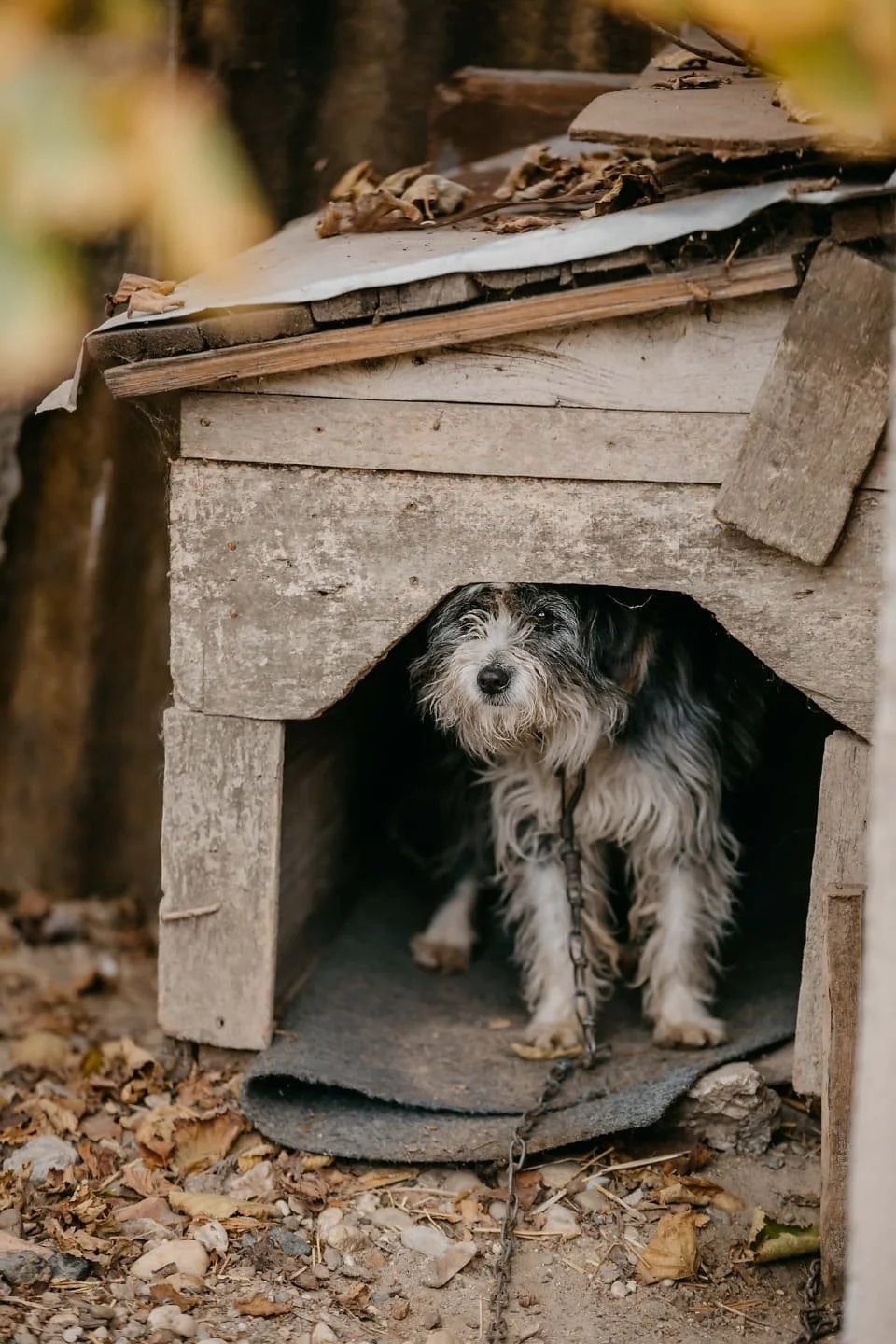
In Lorain, Ohio, DTA worked with local advocates, city officials, law enforcement, and humane officers to strengthen protections for dogs kept outdoors and improve the city’s ability to respond when animals were at risk.
The resulting work included clearer restrictions on prolonged tethering and exposure to dangerous temperatures, along with enforcement provisions intended to give officers practical tools to intervene.
Lorain showed how small changes can make a meaningful difference for animals, particularly when informed by those who understand how the law works day to day.

Ecuador
A Holistic Approach, Tailored to Local Needs
Animal protection laws are most effective when they reflect the realities of the communities they are intended to serve.
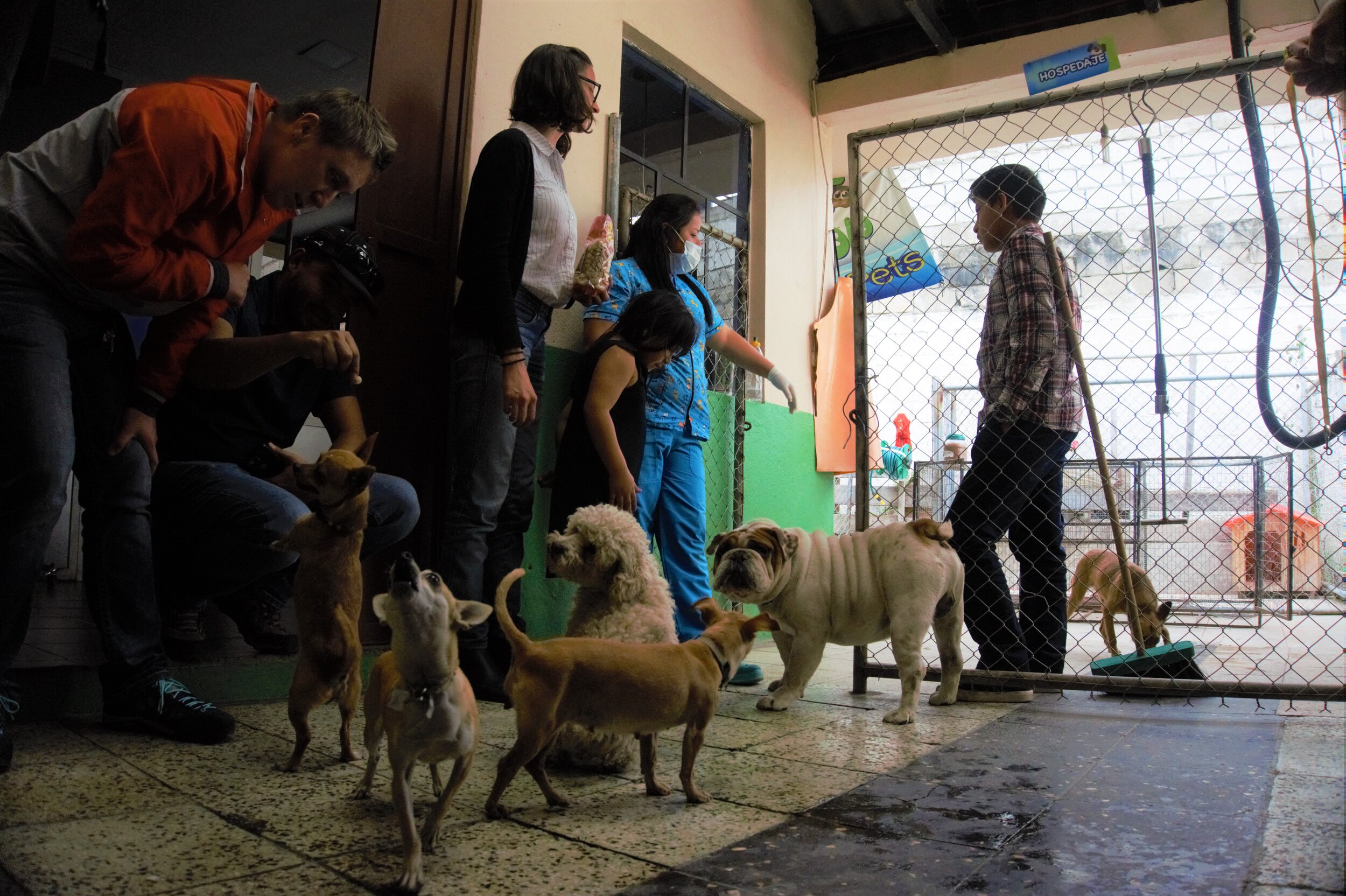
Working alongside local advocates in Ecuador, DTA helped develop comprehensive municipal animal protection frameworks designed to address both animal welfare and the practical challenges of implementation.
The proposed ordinances included protections against mistreatment, responsibilities for humans caring for companion animals, sterilization and vaccination programs, licensing and identification, public education, and mechanisms for enforcement.
Our experience in Paute, Girón, and Guachapala reinforced our commitment to approaching animal issues holistically. Every locality presents its own challenges and variables, some readily apparent and others much harder to anticipate. Attention to factors such as local relationships, political and social constraints, institutional capacity, available resources, enforcement realities, and timing can help produce tangible, lasting improvements for animals rather than short-lived political commitments with limited practical effect.
Where We Go From Here
Dogs have always been central to DTA’s work, and we continue to look for new opportunities to improve their wellbeing through community advocacy, education, and law:
stronger, practical, and enforceable legal protections;
humane and behavior-informed approaches to training and care;
better approaches to free-roaming and community dog welfare;
greater transparency and accountability within shelter and rescue systems; and
community-based solutions that reduce suffering before dogs reach a point of crisis.
As new projects develop, this page will highlight the ways DTA and our partners are putting these principles into action.
Let’s work together to make sure dogs are treated with the kindness they deserve.