
WildRights
Strengthening Rights of Nature and Animal Protection Through Independent Representation
WildRights™ is Defend Them All’s initiative to confront a persistent imbalance in law and policy: decisions that profoundly affect animals and their habitats are routinely made without independent representation of the animals themselves. We work toward legal systems that require animals to be adequately represented when decisions affecting them are at stake. Just as a child’s interests cannot be presumed to align with their parents, an animal’s interests cannot be presumed to align with human, economic, or political priorities. This imbalance becomes especially visible where emerging Rights of Nature frameworks and traditional animal protection laws intersect.
Where Existing Protections Fall Short in Practice
Rights of Nature (RoN) frameworks emerging globally through constitutional reforms, legislation, court decisions, and local ordinances offer powerful tools for rethinking human relationships with the natural world. Ecuador and Bolivia were among the first countries to constitutionally recognize nature as a rights-bearing entity, creating new legal pathways to defend ecosystems.
Yet in practice, many Rights of Nature applications protect land and water at a systemic level without explicitly defending the animals who depend on them. Meanwhile, animal protection laws focus on sentient beings but rarely confront structural drivers of harm such as habitat destruction, extractive development, agriculture, or large-scale infrastructure.
The Problem with “Balancing” Without Representation
Even within ambitious Rights of Nature systems, governments continue to rely on balancing tests that weigh ecological protection against economic and social interests. These processes are often presented as neutral or science-based, yet they frequently proceed without independent information about the animals who will bear the consequences.
Environmental impact assessments may reference “wildlife” in general terms, but they rarely examine species-specific behavior, ecological roles, migration patterns, or cumulative suffering in a way that meaningfully informs the outcome. Without dedicated advocates to present this knowledge, the balancing process itself remains incomplete. Decisions framed as protecting future generations risk overlooking the very beings whose lives and ecological functions shape those futures.
Why Representation Matters
We are grounded in the understanding that the health of ecosystems and the rights of animals are inseparable; ecosystems cannot endure when the animals who sustain them disappear. Recognizing this interdependence requires moving beyond treating wildlife as background indicators of ecosystem health and toward ensuring their interests are specifically examined and defended.
When a mining project threatens a watershed, Rights of Nature frameworks may focus on ecosystem-level impacts such as water flow or forest regeneration. Wildlife becomes one factor among many rather than a party whose interests are directly represented. Similarly, consider the approval of a rodenticide. Rights of Nature laws might protect a river from chemical contamination, yet they often fail to account for the Barn Owls, Hawks, and Foxes who will be poisoned after consuming contaminated rodents.
Under current regulatory systems, companies are typically required to submit environmental data, including potential effects on non-target wildlife. However, there is no requirement for a designated advocate to represent affected animals during review and decision-making processes. Public comment periods exist, but they are voluntary, uneven, and lack the procedural weight of formal representation.
A Structural Shift, Not Just Litigation
WildRights integrates independent consideration of animal interests into environmental impact assessments, resource management planning, permit approvals, and administrative proceedings so that wildlife interests inform decisions from the outset. Under this model, independent wildlife representation is embedded within decision-making processes, requiring decision-makers to substantively engage with animal interests rather than treating them as optional public input.
Our Approach
The promise of animal protection, and the power of the Rights of Nature, ultimately depend on how these principles are applied when they collide with extraction, development, and competing human interests. WildRights works to ensure that animal interests are present, visible, and substantively considered within the legal and administrative systems already shaping environmental governance.
We strengthen the capacity of local advocates while facilitating knowledge exchange across jurisdictions. Legal innovations emerging from Latin America offer important insights into how ecological protection can evolve to more fully account for the animals who sustain ecosystems. By translating, testing, and refining these ideas across diverse legal contexts, we aim to demonstrate how independent representation can deepen existing environmental protections and help Rights of Nature realize its potential for wildlife.
Our relationship with nature must evolve beyond abstraction and into practice. WildRights reflects this evolution by ensuring that animal interests are considered earlier, more directly, and more meaningfully within the decisions that shape the future of ecosystems and the well-being of their inhabitants.
Frequently Asked Questions
-
Despite decades of reform and a growing recognition of ecological interconnectedness, biodiversity loss, and animal sentience, animals remain largely invisible in the decisions that shape their fate. Rights of Nature frameworks recognize ecosystems as legal subjects, and animal welfare laws regulate cruelty after the fact. Yet neither ensures that animal interests are meaningfully considered when governments approve development projects, issue permits, set land-use policy, or weigh competing economic pressures.
When human and commercial interests show up in these processes with lawyers, lobbyists, and institutional weight behind them, even well-intentioned laws tend to gradually bend toward those with a seat at the table — a dynamic already visible in the erosion of environmental assessment regimes worldwide, and in the pressures now bearing down on emerging Rights of Nature frameworks.
-
WildRights focuses on how legal principles are applied when the well-being of animals intersects with competing human interests and aims to ensure that animal interests are present, visible, and substantively considered within environmental and administrative decision-making processes.
-
No. Concepts such as environmental guardianship, independent oversight, and public-interest representation already exist in many legal systems. What distinguishes WildRights is how these tools are brought together.
The initiative proposes a procedural model that centers independent representation for animals within existing governance structures. By focusing on representation rather than abstract rights alone, WildRights reframes familiar legal ideas in a way that addresses a gap between ecosystem-based frameworks and animal protection law.
-
Representation can take different forms depending on the legal context. In some situations it may involve formal legal standing or the appointment of an independent advocate; in others it may involve structured participation in policy development, planning processes, or administrative review. The goal is not to create a single model, but to ensure that animal interests are consistently and meaningfully included wherever decisions affecting ecosystems and wildlife occur.
-
WildRights is an approach to decision-making, not a single theoretical model. It draws from existing principles in environmental and animal law while exploring practical pathways for integrating independent representation into environmental governance.
-
Not necessarily. Independent representation is a core principle, but the legal mechanisms used to achieve it will vary by jurisdiction. In some contexts, strengthening procedural safeguards may be sufficient; in others, new legal tools may emerge where they meaningfully advance animal interests.
-
In many governance systems, project applicants, government agencies, technical experts, and other stakeholders participate in decision-making processes. However, there is rarely an advocate specifically tasked with representing the interests of affected animals.
Independent representation could involve:
Scrutinizing environmental and scientific data;
Raising concerns about harms to wildlife populations or ecological relationships;
Contributing to policy development, land-use planning, conservation strategies, or regulatory design;
Proposing alternatives or mitigation measures; and
Ensuring decision-makers respond substantively to those concerns.
The aim is not to predetermine outcomes, but to ensure that animal interests are considered from the outset. Within a fully developed WildRights framework, this role is embedded within decision-making processes, requiring decision-makers to substantively engage with animal interests rather than treating them as optional public input.
-
Countries such as Ecuador and Bolivia have pioneered constitutional recognition of nature, offering valuable examples of how legal systems can re-engage with longstanding legal traditions, including Indigenous worldviews that recognize reciprocal relationships with the natural world. These experiences provide practical insights into how representation and governance models may be renewed and adapted across diverse contexts. WildRights seeks to learn from and contribute to these ongoing conversations while recognizing that each jurisdiction has its own legal pathways, challenges, and priorities.
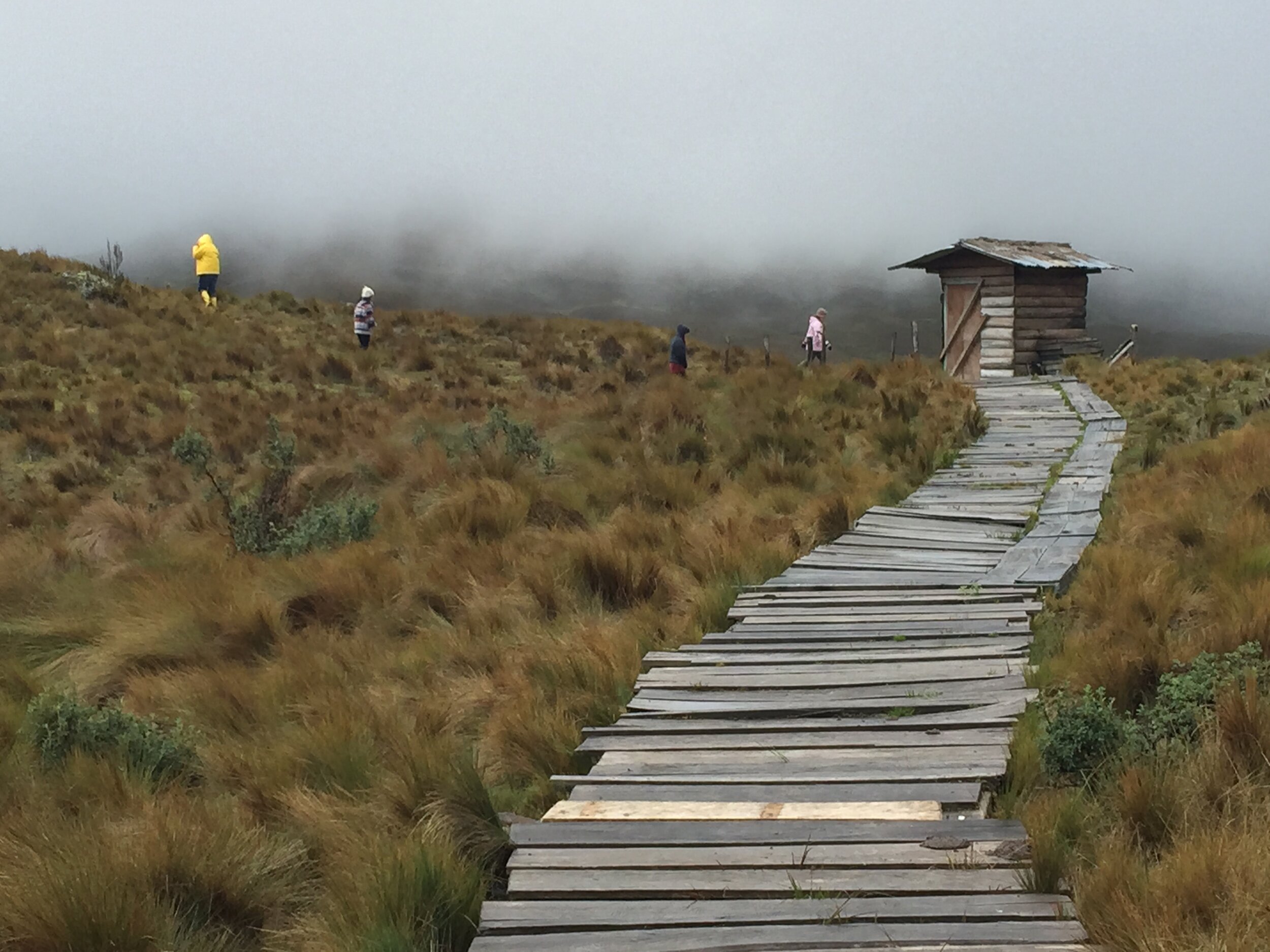
WildRights Ecuador: Defending Kimsacocha
Since 2018, Defend Them All has supported local advocates and Indigenous communities resisting the Loma Larga underground gold mine in Azuay, Ecuador. The project threatens Kimsacocha, a high Andean páramo ecosystem of wetlands, grasslands, and sacred lakes that sustain biodiversity, livelihoods, and downstream water sources for more than 600,000 people. Contamination or alteration of this system would have irreversible consequences.

WildRights Bolivia
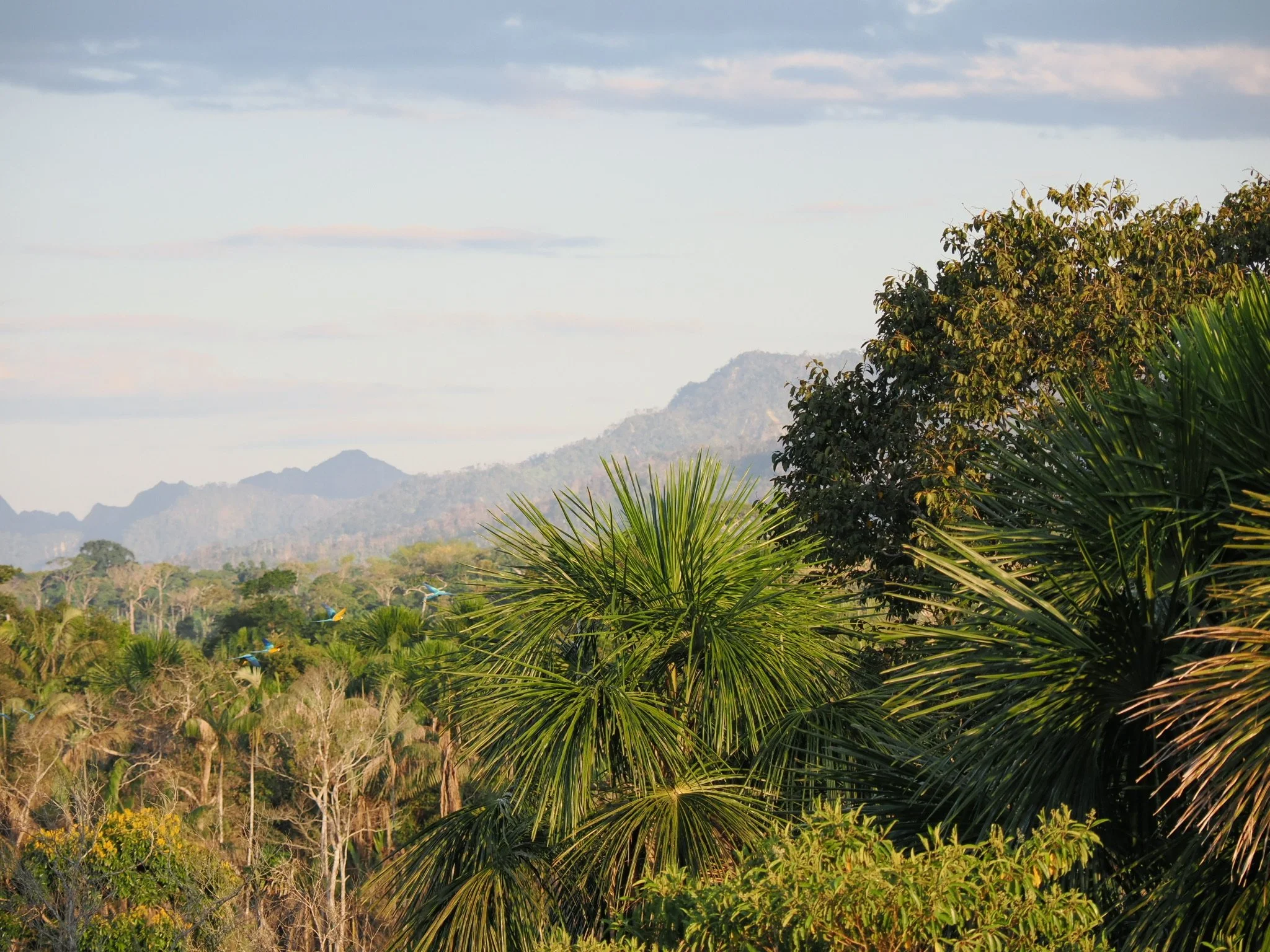
Building on our experience in Ecuador, WildRights is collaborating with local advocates to strengthen legal capacity, safeguard animals, and support community-led conservation in Bolivia. This project addresses escalating threats including illegal mining, wildfires, and wildlife trafficking through research-informed advocacy, legal training, and public engagement that transforms protections from paper principles into lived reality.
Support This Work
Transformative legal change takes time. WildRights is committed to long-term partnerships—not symbolic victories or short-term campaigns. Your support helps sustain this work.
Your contribution enables us to:
Fund travel for Advocacy Abroad students supporting locally led initiatives alongside partner organizations.
Provide honoraria for community leaders, local experts, and translators in recognition of their time and expertise.
Produce and and share legal research in Spanish to strengthen regional accessibility.
Sustain long-term relationships with frontline organizations and the communities they serve.
Together, we are redefining what justice looks like for animals, for nature, and for the communities who defend them.